Last Tuesday I sat down to meditate for ten minutes and my watch told me, politely, that my heart rate variability had been in the basement all morning. The session still happened. The data didn't fix the morning — it just gave it a name before I closed my eyes.
That's the honest picture of what EEG wearables can do for a meditation practice. They personalize by showing, not by knowing.
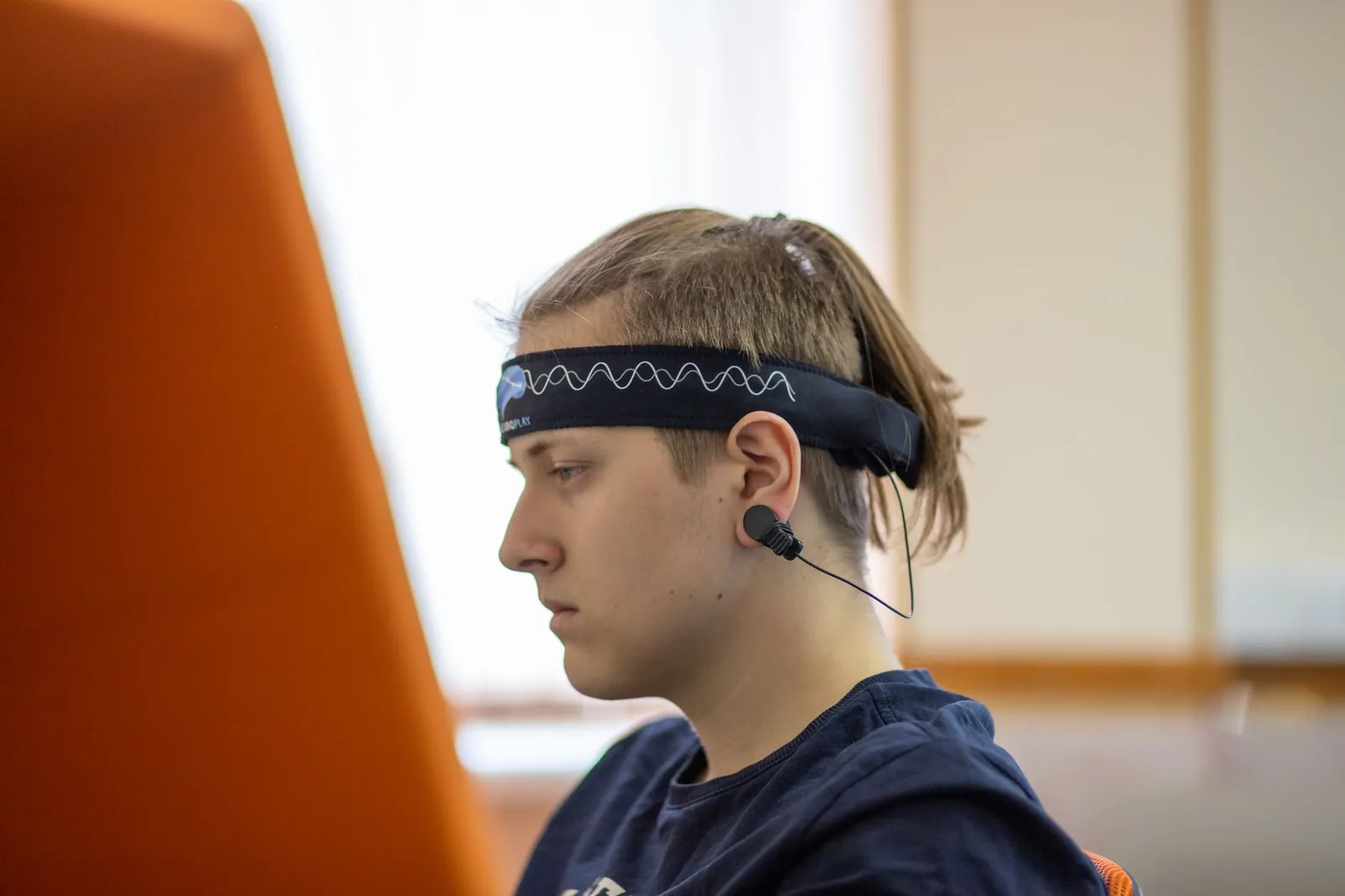
They surface what your nervous system is already doing. A headband or in-ear sensor can pick up alpha waves, beta waves, the shift between "alert" and "settled." None of that is the same as understanding what you were thinking about, what your week has been, or whether the dog woke you up at 4 a.m. The signal is real. The story it tells is partial. Beginners especially benefit from holding that distinction loosely.
They reward curiosity, not perfection. The research around mindfulness wearables keeps returning to the same finding: the people who get the most out of them are the ones who treat the numbers as a mirror, not a report card. A stress spike on a Monday does not mean you failed. It means your body kept the score. Looking at it is the practice, in a way — noticing without arguing.
They make consistency easier. If you only have seven minutes between meetings, a short session tuned to "alert and tense" is more useful than a generic twenty-minute sit. The wearable's job here is small but practical: it lowers the friction between intention and action, and small repeated actions are what build a practice.
They sit inside a larger wave. The broader wellness space is moving toward AI-personalized coaching, nutrition guidance, and integrated health dashboards. Useful, probably, and worth watching — but the personal part is still you. A device can suggest. It cannot sit with you.
Meditation gets more personal the less you outsource it. The wearable is a tool. The curiosity you bring to it is the part that does the work.
Start where you are, with what you have. If a short breath count on the sequence builder feels like enough today, that is enough. The newsletters page has new pieces each month for when you want company. And if a quiet Windows session with the Sunrise Flows app fits your morning better than a sensor on your head, that is a real answer too.